Battery Storage: A Key Technology for the Energy Transition?
Why Storage Is Suddenly Just as Important as Generation
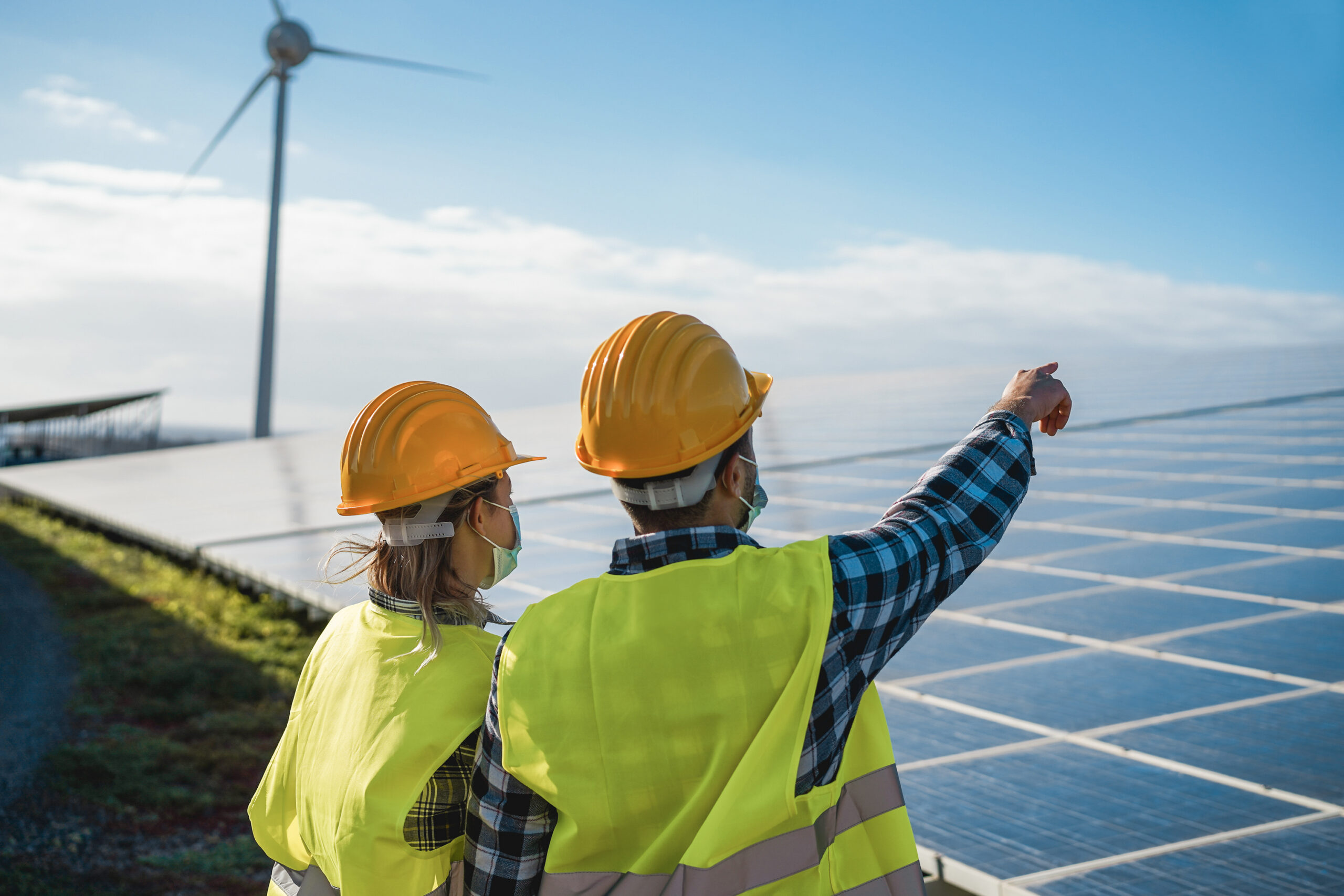
The first phase of the energy transition was characterized by a simple goal: to generate as much renewable energy as possible. The next phase is more complicated. Solar and wind power plants do not necessarily produce electricity when consumers need it. With every additional gigawatt of variable generation, the importance of a second question therefore grows: What happens to the energy between generation and consumption? This is exactly where battery storage comes into play. It could become one of the most important infrastructure technologies of the coming decade.
The problem isn't a lack of energy—it's the wrong timing
Photovoltaic systems typically generate the most power during the day. Wind energy depends on weather conditions. Electricity consumption, on the other hand, depends on industrial processes, buildings, transportation, and the behavior of millions of consumers. As long as variable renewable energy sources make up only a small portion of the system, conventional power plants can balance out these fluctuations with relative ease. As their share increases, this dynamic changes. The IEA expects variable renewables to account for about 46% of electricity generation.Flexibility then becomes a resource in its own right. A battery storage system can absorb or release energy in a very short amount of time. It can store excess solar power in the afternoon and make it available in the evening, reduce peak loads, provide balancing power, or alleviate grid bottlenecks. Thus, a storage system does not solve a single problem; it can perform multiple tasks simultaneously.
Global expansion is just getting started
The scale of the expected growth is substantial. In its Net-Zero Scenario, the International Energy Agency projects that global storage capacity will reach approximately 1.500 GW would need to grow. About 1,200 GW of that would come from battery storage. That would be roughly fourteen times the baseline level in the IEA analysis. At the same time, project costs have fallen sharply. According to the IEA, the cost of battery storage projects fell by about 40% in 2024 alone, to around $150 per kilowatt-hour. Globally, about 63 GW of new large-scale battery storage was installed in 2024. This is changing the economics of the sector. Applications that were barely conceivable just a few years ago are increasingly becoming viable for investment.
Battery storage systems are more than just an add-on to a PV system
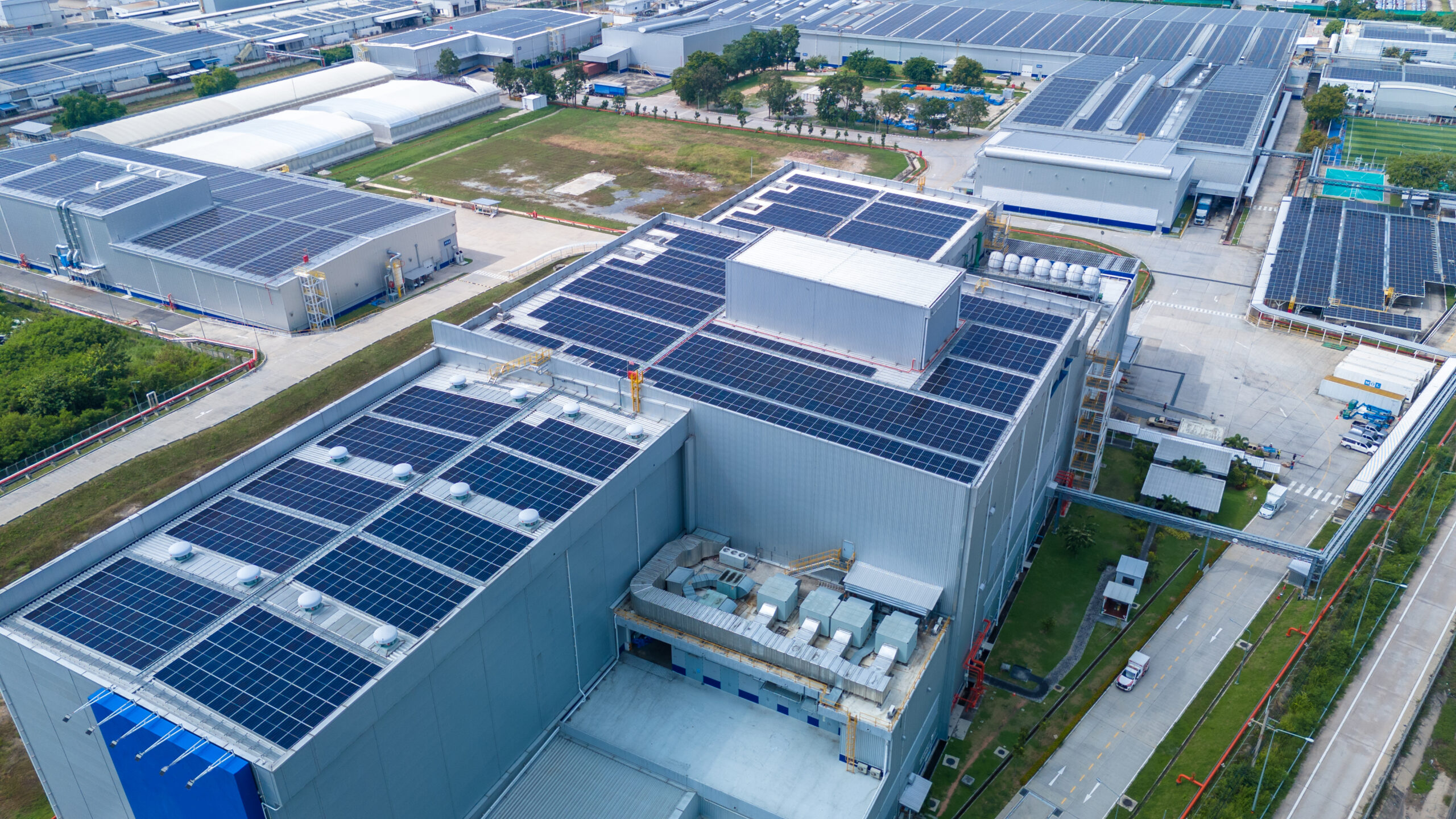
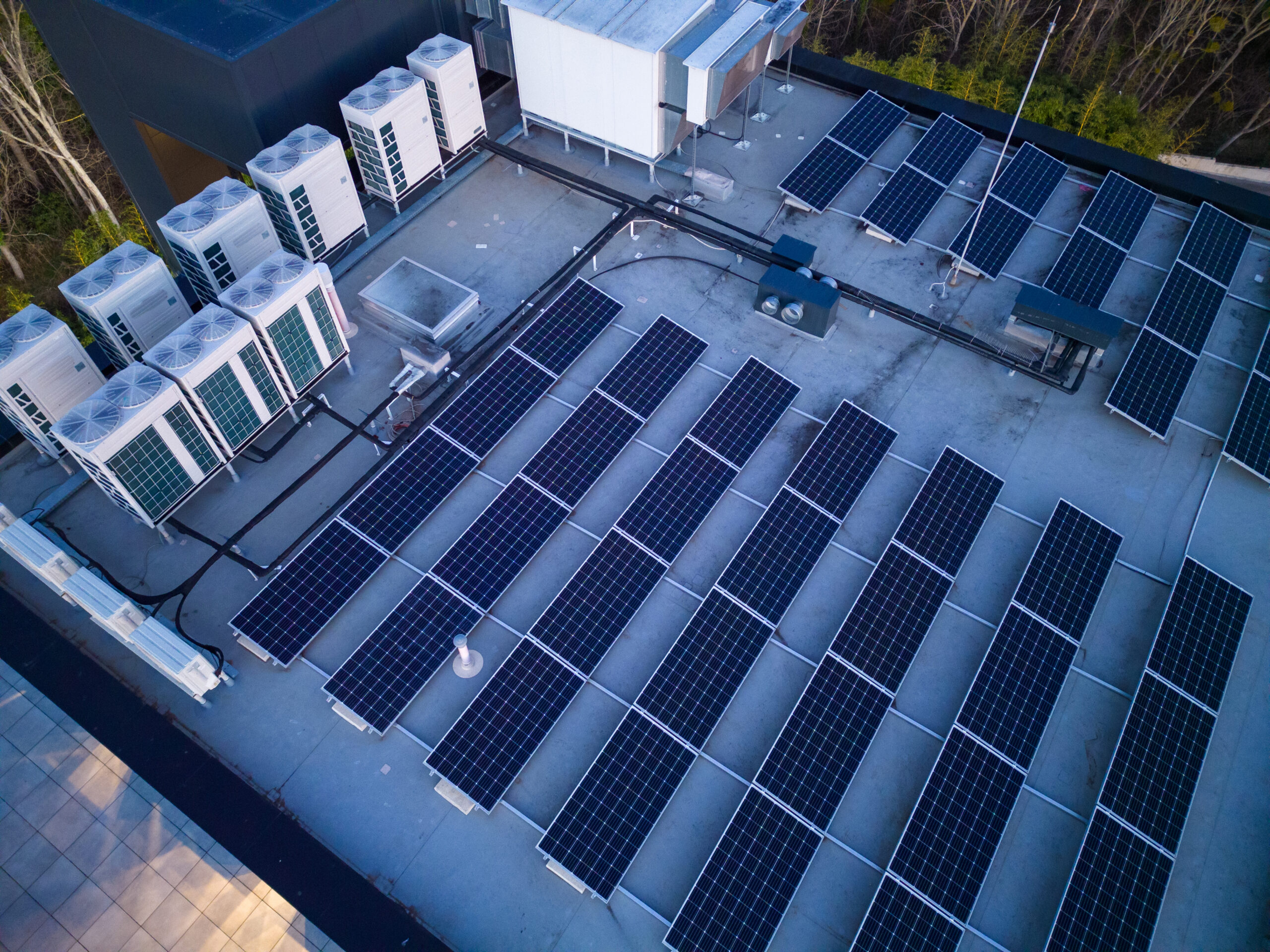
In the commercial sector, self-consumption is often the first consideration. A photovoltaic system generates electricity during the day. A storage system captures excess electricity and increases the proportion of energy a company can use itself. However, this is only one possible application. Large battery storage systems can reduce peak loads and thereby influence power prices. They can draw electricity during periods when market prices are low and discharge it during more expensive time windows. They can provide power for balancing energy markets or be marketed in conjunction with generation facilities. With the right project and market model, this allows for the combination of multiple revenue-generating and cost-saving mechanisms. This so-called Revenue Stacking- logic makes battery storage economically attractive—but at the same time increases the complexity of planning.
Not every storage solution is automatically cost-effective
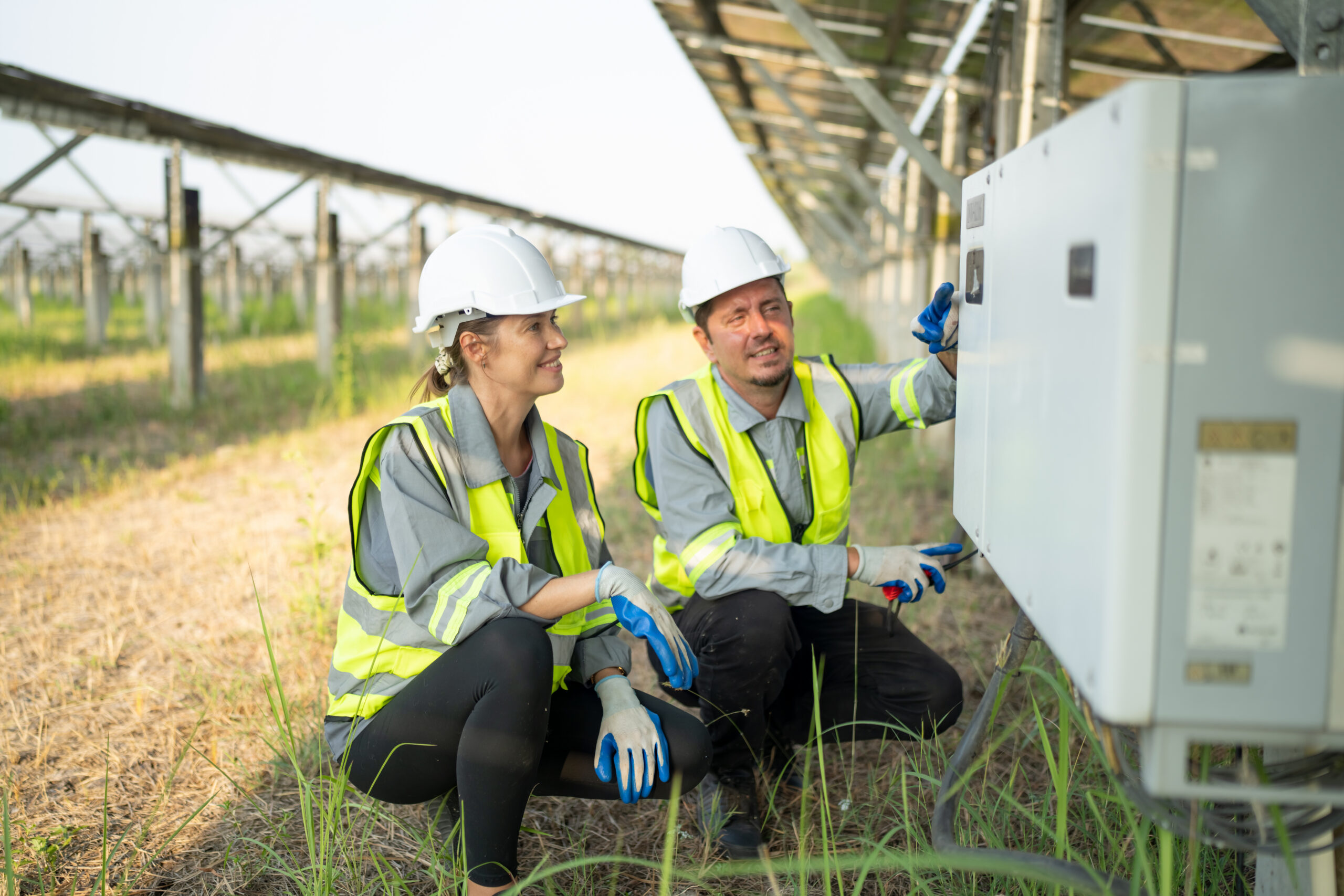
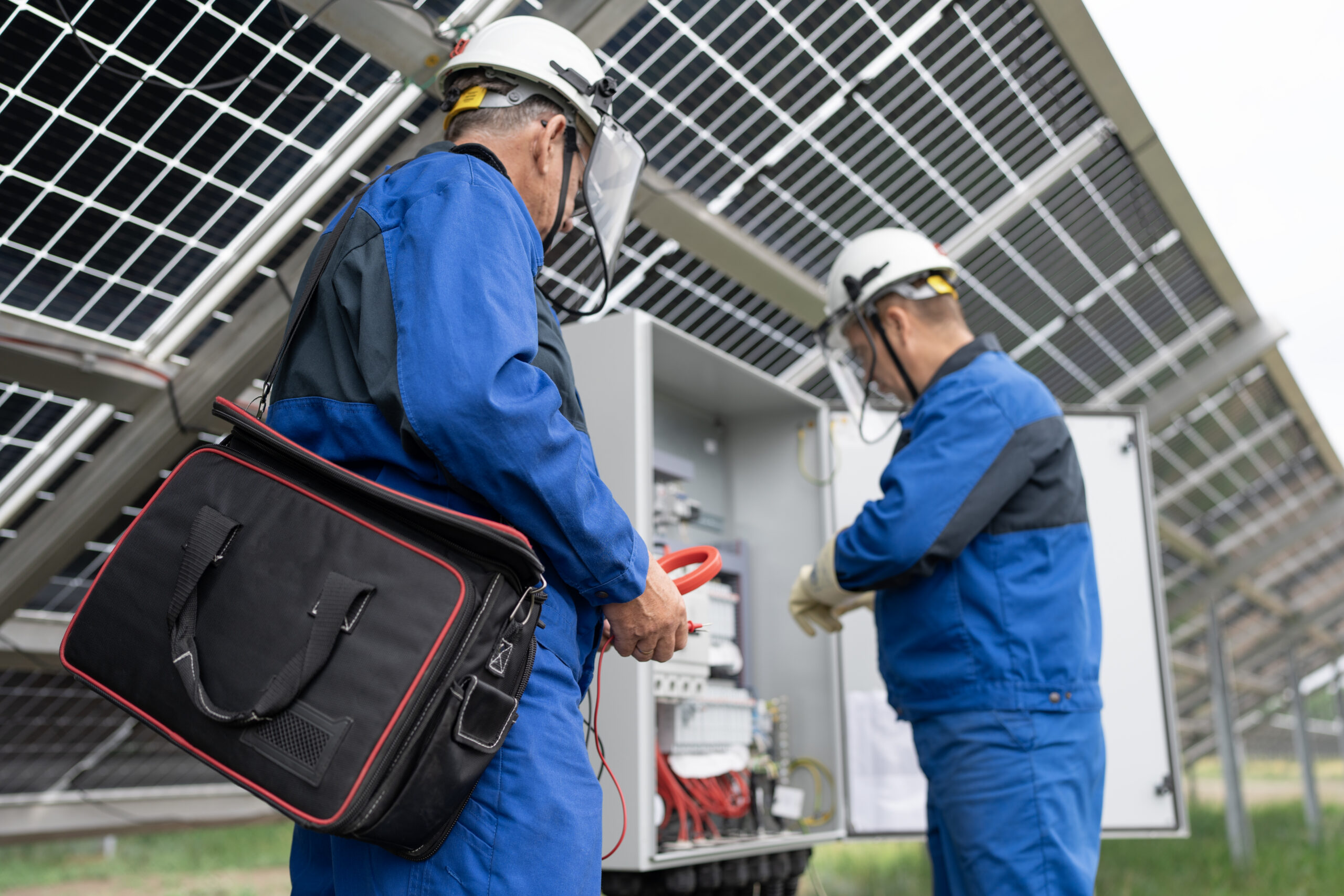
The current boom should therefore not lead to the assumption that a battery storage system is inherently a profitable investment. Economic viability depends heavily on location, grid connection, load profile, capacity, power output, number of cycles, marketing model, regulatory requirements, and future fluctuations in electricity prices. System sizing is also crucial. A storage system with 10 MW of power and 10 MWh of capacity behaves economically quite differently from a system with 10 MW and 40 MWh. Power describes how quickly energy can be delivered. Capacity describes how long it can be stored. The right combination therefore does not depend on the size of the property or a standard product, but rather on the intended use. Storage systems can also complement grid expansion Battery storage plays a particularly interesting role during grid bottlenecks. It does not fundamentally replace grid expansion. However, it can temporarily reduce loads, shift energy locally, and thereby complement or delay certain grid investments. The IEA therefore describes battery storage as one of the most versatile tools for short-term flexibility and points out that, under certain conditions, it can reduce or defer the need for grid expansion. The European Commission also views energy storage as a central component of a decarbonized EU energy system.
The key factor is flexibility
Perhaps that is why even the question “Are batteries the bestsellers of the future?” is too narrowly framed. After all, battery storage systems don’t sell energy. They sell time and flexability. And it is precisely these characteristics that are becoming increasingly valuable in an energy system with a growing share of weather-dependent generation. The more solar and wind power grow, the greater the economic importance of technologies that can shift energy. That is why the storage boom is unlikely to be a short-term trend. It is a logical consequence of the energy system that is currently taking shape.
Generation Projects Become Energy Platforms
This opens up new possibilities for companies. In the future, an energy project will not necessarily consist solely of a solar or wind power plant. Generation, storage, charging infrastructure, energy management, and flexible consumers can all be planned together. This also changes the role of project development. The key question is no longer solely: How much renewable energy can we generate? But rather: How can we use this energy as wisely as possible? Battery storage won't always be the only solution. But it will increasingly become an essential part of it.