Renewable Energy by 2030 and 2035: Opportunities for Businesses
The energy transition is evolving from a climate issue to a location issue
For many years, the expansion of renewable energy was discussed primarily as a matter of climate and energy policy. That perspective is now changing. Energy supply has once again become a strategic factor for industrial policy, security of supply, and international competitiveness. For European companies, therefore, the question is no longer simply whether renewable energy will continue to grow. Rather, what is crucial is, How Companies Are Participating in This Transformation – as energy consumers, operators of their own generation facilities, investors, or providers of technologies and services. By the end of this decade, Europe’s energy system will have changed significantly.
2030 is no longer a distant goal
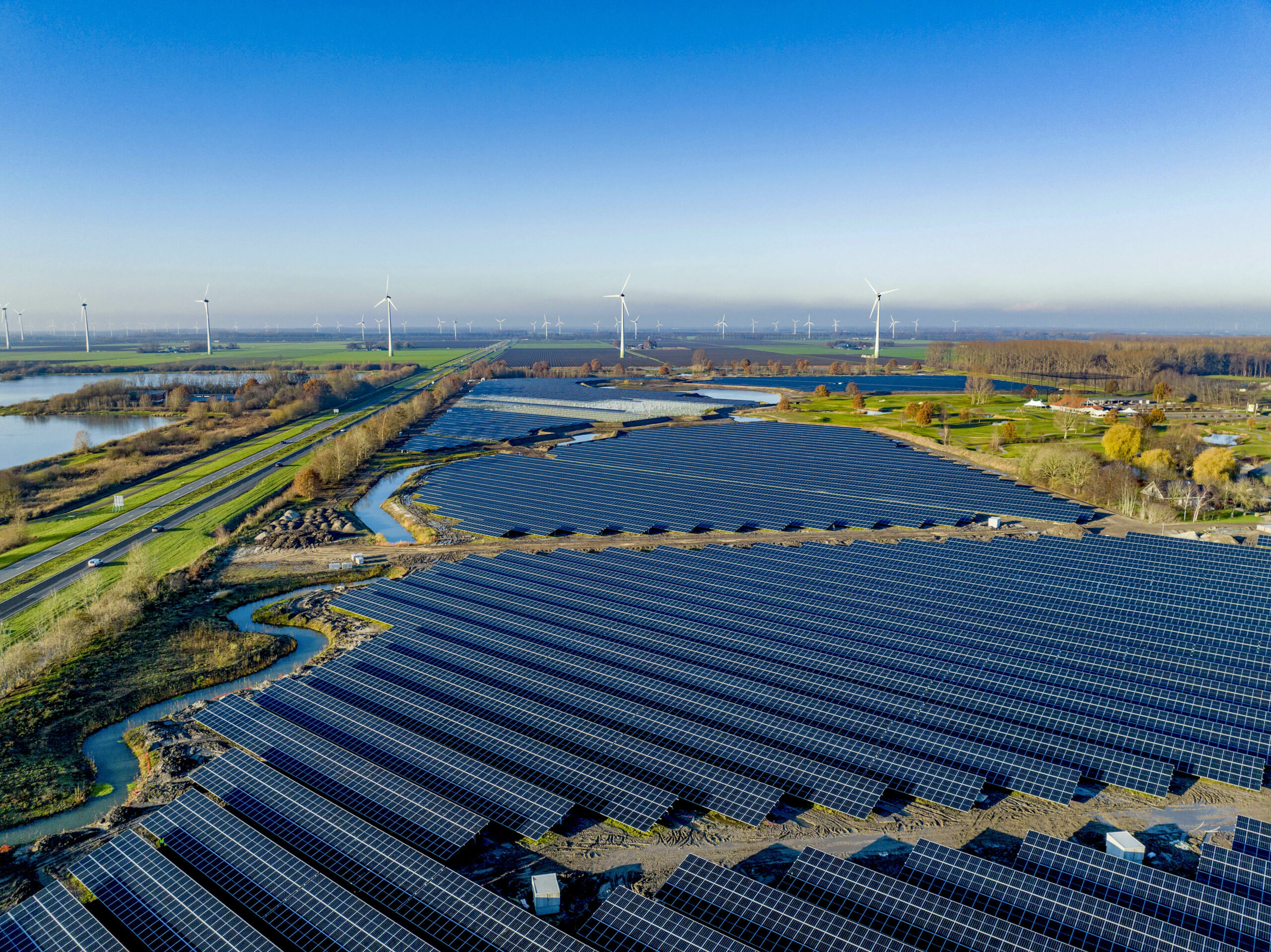
The revised EU Renewable Energy Directive mandates a share of at least 42.5% of renewable energy in total EU energy consumption . The policy target is 45%. In 2025, the share stood at 26.2%. In the electricity sector, the transition is happening even faster. The IEA expects renewable energy to account for about 63% of electricity generation in the European Union could provide. Solar energy alone is expected to account for about 20% of the EU’s electricity generation; wind energy, at about 25%, could become the EU’s largest single source of electricity. Between 2026 and 2030, the IEA expects more than 400 GW of additional renewable capacity in the EU. This will not only change the source of electrical energy; it will transform the entire infrastructure behind it. Grids must be expanded. Storage will become increasingly important. Industrial processes will be electrified. Flexible consumption will become more economically valuable. Energy generation and energy consumption will converge both geographically and economically.
2035 Will Be a Strategic Milestone
Unlike for 2030, there is currently no binding European renewable energy target for 2035. In 2026, the EU is working on a new regulatory framework for the period after 2030. At the same time, a binding climate target was adopted in March 2026: By 2040, the EU’s net greenhouse gas emissions are to be reduced by 90% compared to 1990 decline. By 2035, we will thus be practically in the middle of a period of enormous transformation. Investments made today in industrial facilities, energy supply, or building infrastructure will often be far from fully depreciated by 2035. Companies must therefore assess today whether their investments are compatible with an energy system that is likely to be significantly more electrified and decarbonized ten years from now.
For corporations, energy is becoming a strategic infrastructure
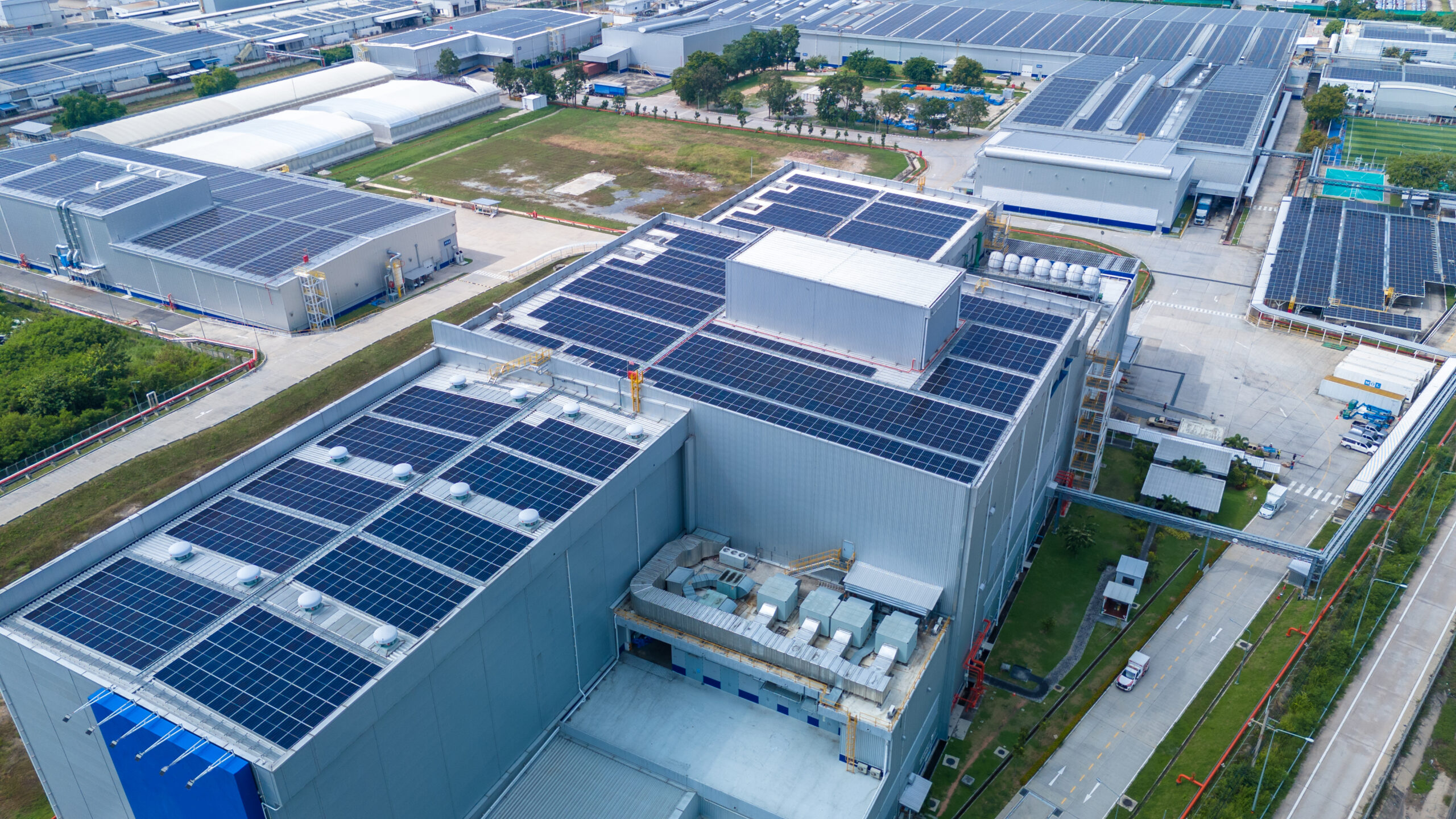
Large companies are increasingly viewing energy as more than just an operating expense. An in-house solar power system, a wind project, a battery storage system, or a long-term electricity supply contract can serve multiple purposes at once. They can make energy costs more predictable, reduce dependence on market prices, support sustainability goals, and secure part of the energy supply over the long term. This trend becomes particularly interesting where large areas, high electricity consumption, and long planning horizons converge—for example, in industry, logistics, data centers, or large real estate portfolios. An industrial facility with an annual consumption of several gigawatt-hours therefore views a solar power system differently than a private household. The focus is not on the individual kilowatt-hour, but rather on how energy can be integrated into production and investment decisions over the long term.

At the same time, Europe faces a competition problem
However, expansion alone does not guarantee an economic advantage. Europe has strong expertise in engineering, plant integration, power grids, wind energy, energy efficiency, and industrial applications. In contrast, parts of the solar and battery value chains are heavily dependent on non-European supply chains. This is precisely why European energy policy is increasingly shifting from pure decarbonization toward a combination of Climate Policy, Energy Security, and Industrial Policy. For companies, this means that the origin, delivery capability, technical standards, and long-term availability of components become part of strategic procurement.
The next challenge is integration
The higher the share of solar and wind energy becomes, the more important the question of when energy is produced and when it is needed becomes. The IEA expects that variable renewable energy sources such as wind and solar could account for around 46% of electricity generation in the EU by 2030. An energy system with such a high share requires significantly more flexibility. Battery storage, grid expansion, flexible industrial processes, smart charging infrastructure, thermal storage, and controllable loads will therefore all be part of this same development. The most interesting projects in the coming years may no longer consist of a single technology at all. They will combine systems. Photovoltaics generate energy. Battery storage shifts it. Energy management determines how it is used. Flexible loads take advantage of favorable time windows. Individual systems are coming together to form energy systems.
An opportunity for companies that plan early enough
For European corporations, the opportunity presented by the energy transition therefore lies not merely in meeting regulatory requirements. The greater opportunity lies in viewing energy as part of their own corporate strategy. Companies that plan their energy demand, generation, storage, and future electrification holistically can make decisions before rising grid demands, capacity constraints, or regulatory pressure force them to do so. By 2030, this will no longer be an abstract future. Many of the facilities, production sites, and energy projects that will be relevant in 2030 are already in the planning stages today. The crucial question for companies, therefore, is not whether Europe’s energy system will change, but whether their own infrastructure is prepared for it.